Chicken 101
Exploring the World of
THE EXCELLENT CHICKEN
Chefs, bloggers, family and friends share our passion for quality food that’s better for you, and we’re sharing their knowledge with you.
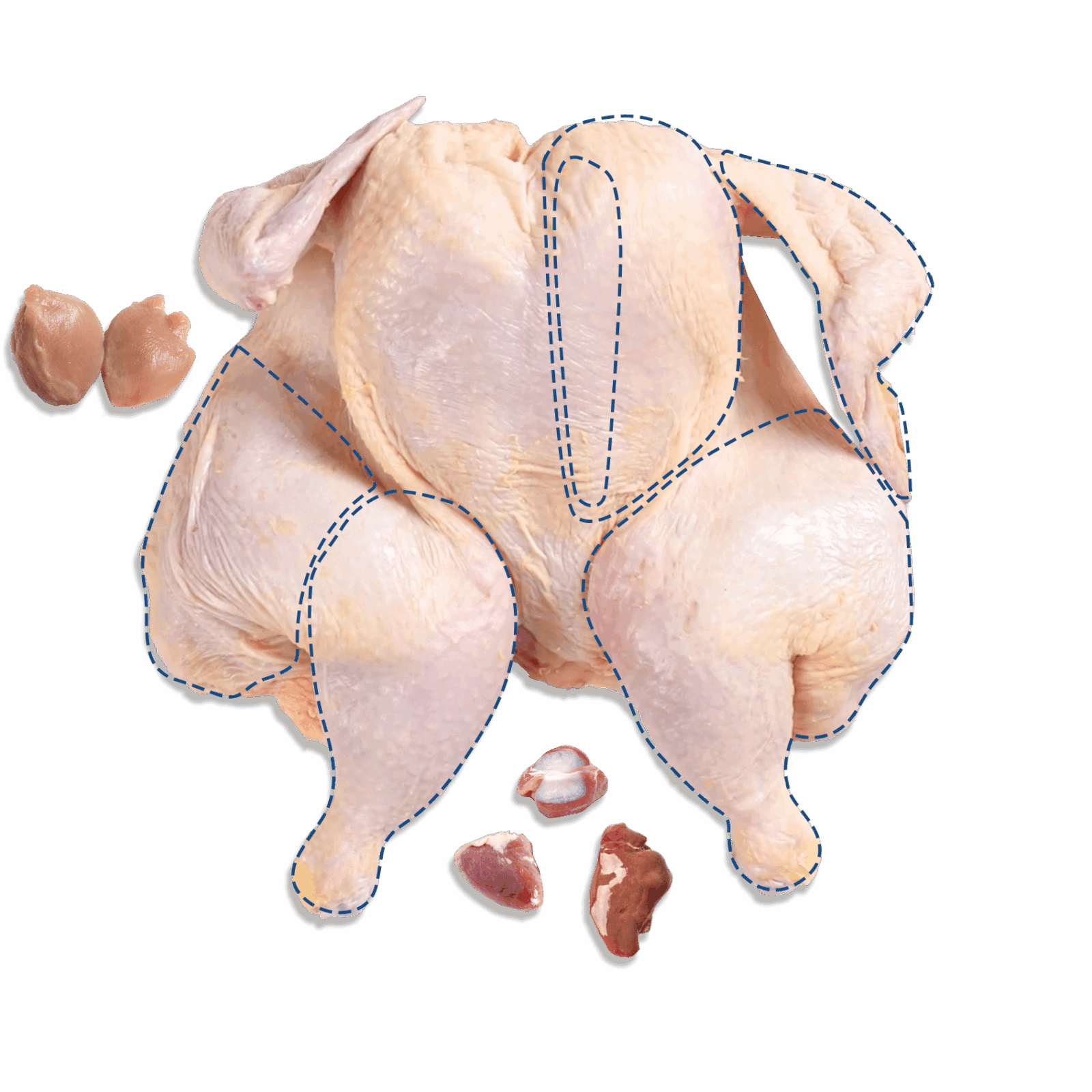
Anatomy of a Chicken
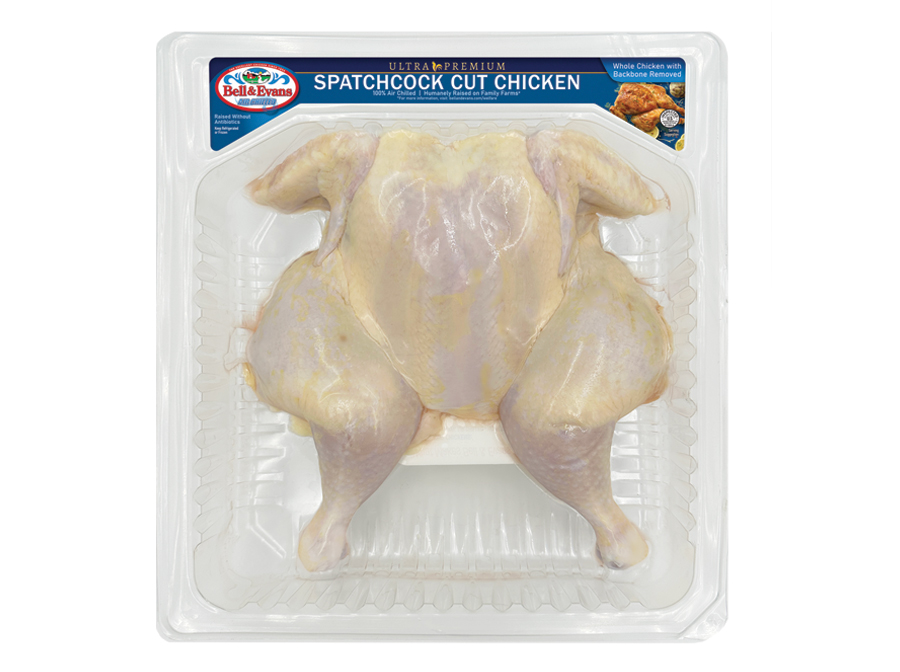
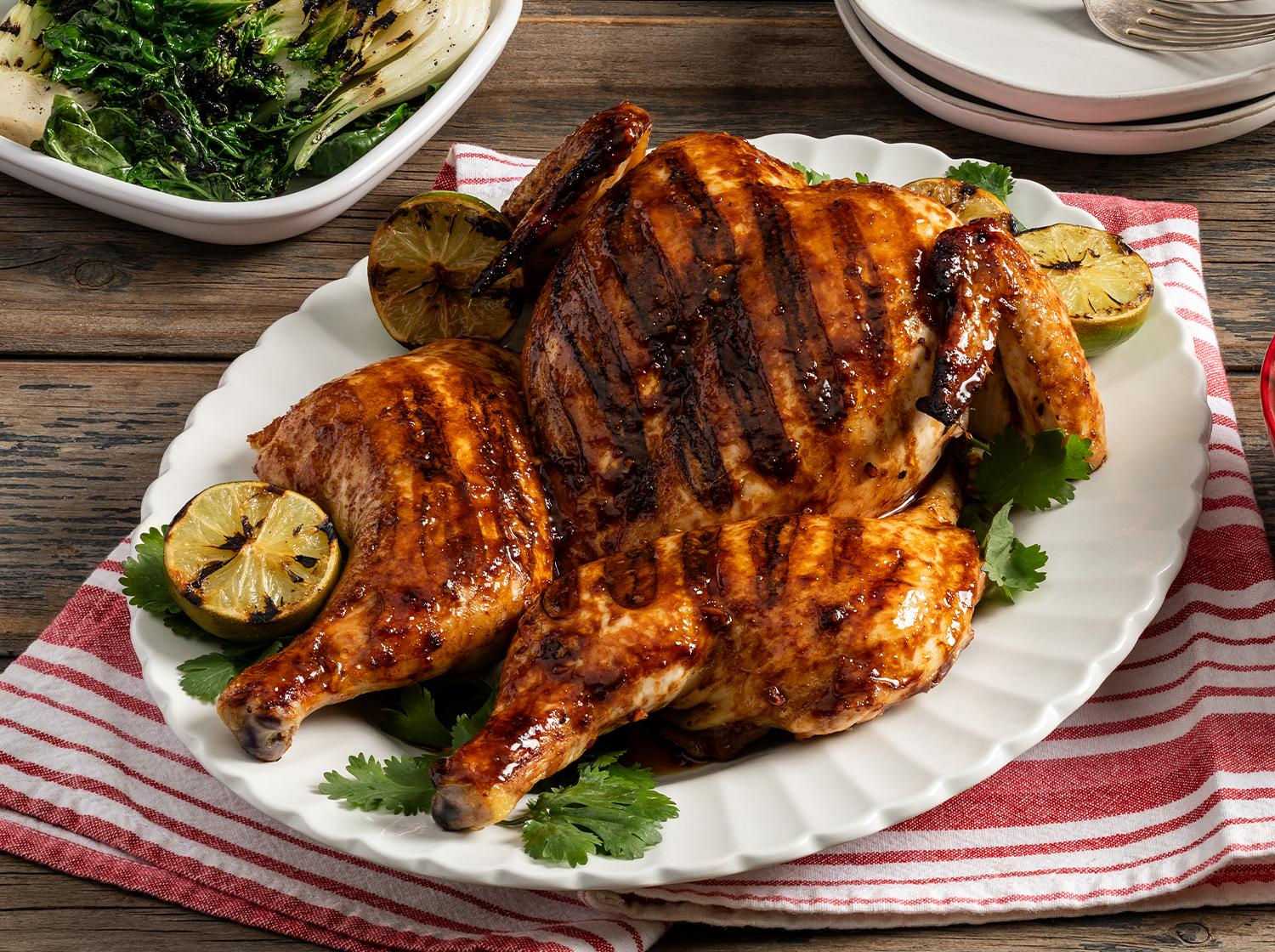
Using our spatchcocked chicken as a guide, you can easily see where different cuts are located.
Industry Terms
No Secrets Here
With so many different packaging claims, recipe terminology and industry jargon out there, it can be hard to keep up. We’ve compiled a glossary to help our customers better understand our products and what makes our chicken The Excellent Chicken.
Cook with Confidence
Chicken Safety Made Simple
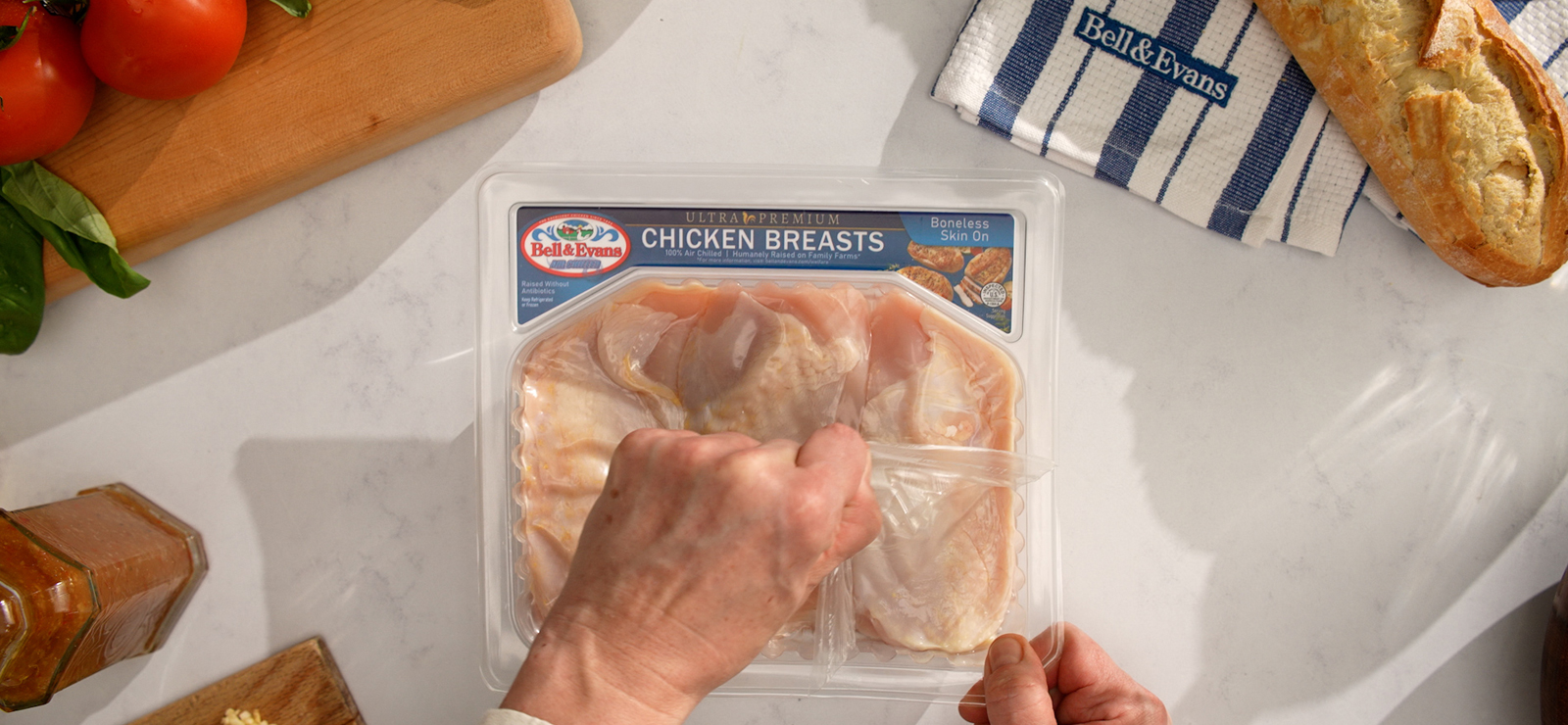
A little kitchen know-how goes a long way. Brush up on the essentials for safely storing, preparing and cooking chicken at home.
We Treat Our Chickens Better
Comparing Farming and Animal Welfare
| Other Poultry | |
|---|---|
|
Our chickens are 100% Raised Without Antibiotics, and so are the hens that lay our fertilized eggs. Their feed contains no antibiotics, and we’ve pioneered a clean, low-stress environment that supports strong immune systems and eliminates the need for antibiotics. |
Some poultry producers say their chickens are antibiotic-free, but this is dishonest. This means the chickens are antibiotic-free when they’re sold. Many of these chickens still receive antibiotics sometime during their life, especially those eating feed that contains ethanol by-products. |
|
We do NOT use formaldehyde. Instead, we sanitize our fertile eggs using an organic vinegar-based disinfectant. |
Other chicken companies use toxic chemicals. The traditional use of formaldehyde to fumigate eggs is an effective way to minimize bacteria. However, formaldehyde is a toxic chemical, not only to the embryos but also to team members. |
|
We do NOT segregate our chickens. Raising male and female chickens separately creates stress. We want a happy, healthy flock, so we keep them together. |
Other chicken companies choose higher-stress practices. Males can be up to a pound heavier at market weight than females. Raising them separately makes it easier for poultry producers to process them. It also allows the producers to sell a narrow weight range to restaurants and retailers that sell by the piece rather than by weight. |
|
We do NOT use by-products of any kind. We use only corn, soybeans, and high quality ingredients such as botanicals in our chicken feed. This blend presents natural resistance to disease and bacteria. |
Rendered animal waste and used cooking oil are often included in animal diets to reduce costs. This includes second-hand salt, bakery by-products, feather meal and other undesirables. |

Our Process Starts With
What’s Best for the Chickens
We do what’s best for our chickens and you. Most poultry producers do what’s best for the bottom line. From hatch to harvest, we never use antibiotics, only breed chicken with the healthiest attributes, and always provide high quality, low-stress care.
You Might Like